Source Bolt On Carbon Fiber Side Skirt for Cars, SUVs, and Trucks
Compare 30 listings for bolt on carbon fiber side skirt options including OEM and custom styles. Buyers can evaluate materials, fitment, and pricing for various vehicle models to find the best match for their specific needs and budget requirements today.
Key considerations
Products List


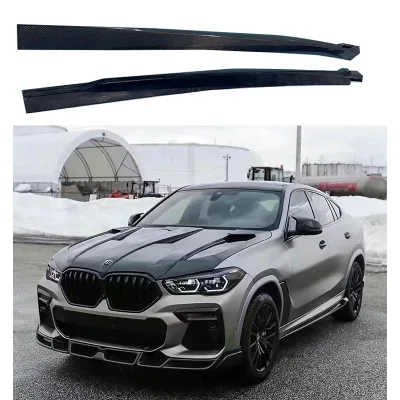
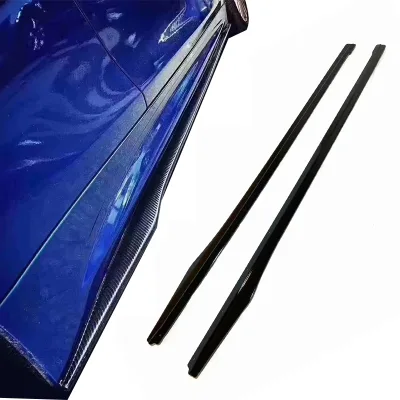
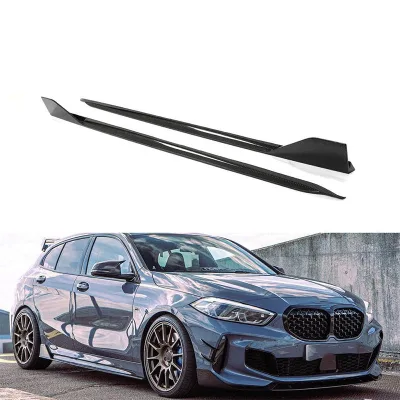
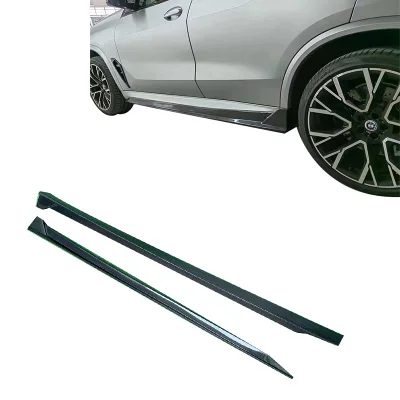
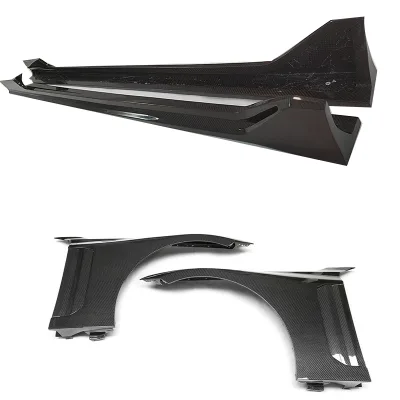
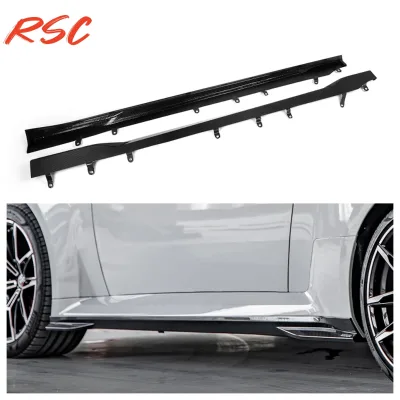
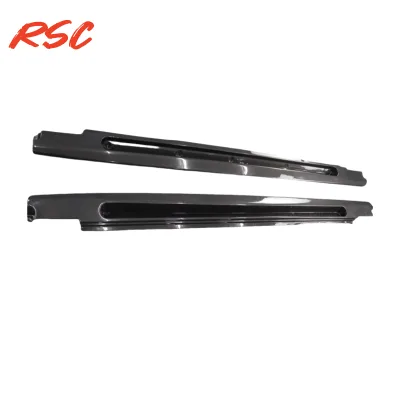
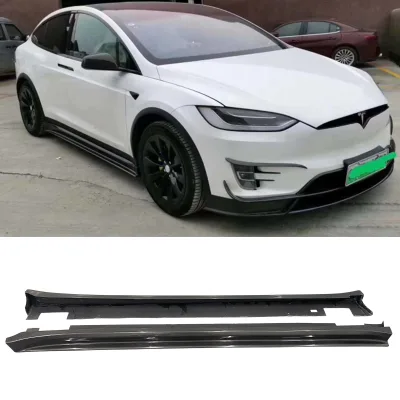
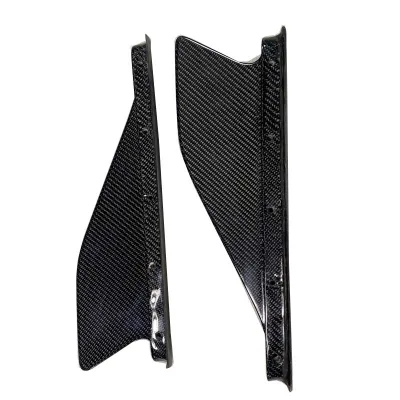
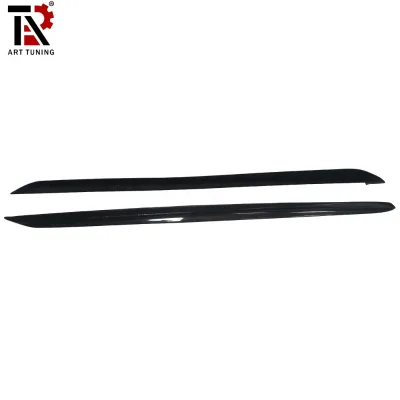
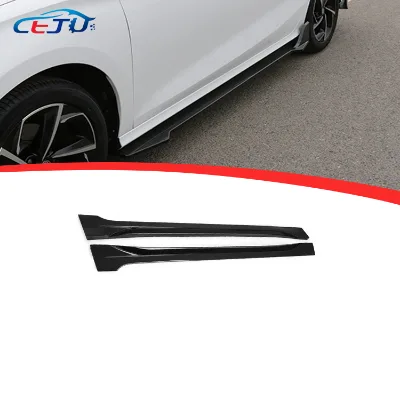
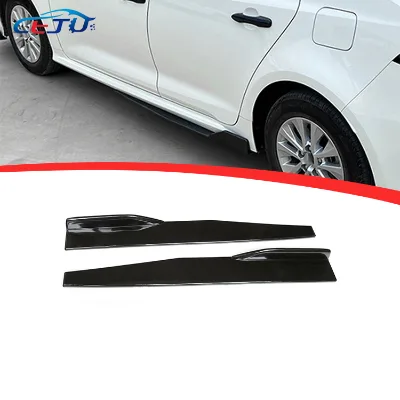

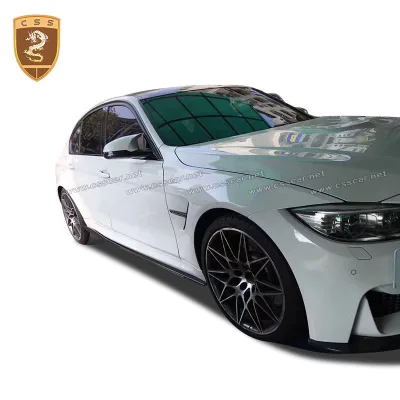
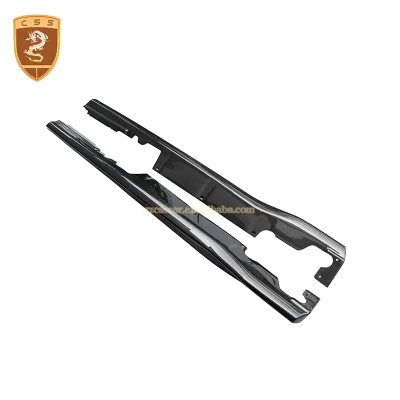


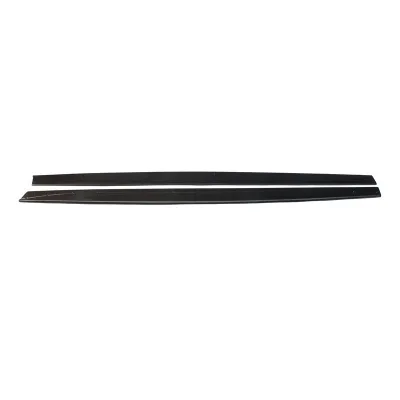
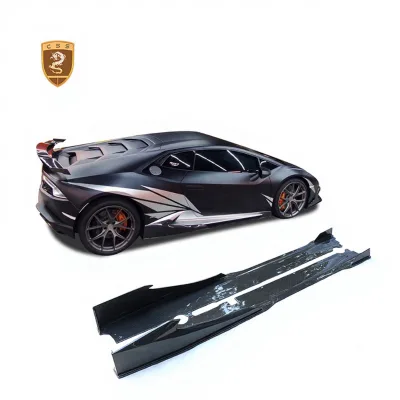
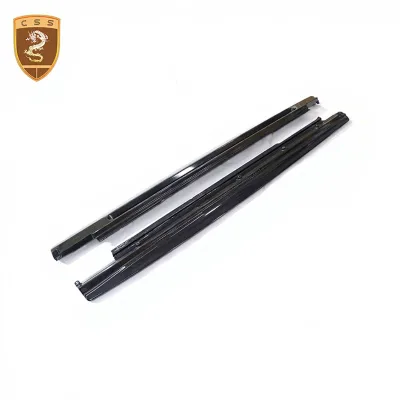
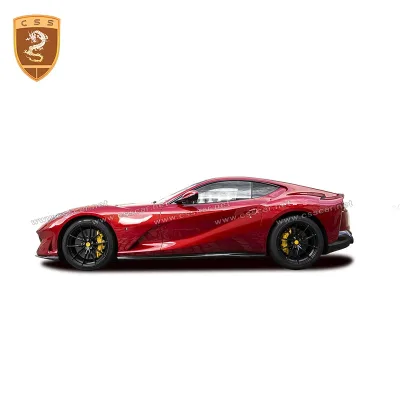

Comprehensive Sourcing Guide
Bolt On Carbon Fiber Side Skirt Sourcing Guide
Sourcing bolt-on carbon fiber side skirts requires a disciplined approach to material verification and fitment precision. Buyers must distinguish between true carbon fiber composites and lower-grade alternatives that mimic the aesthetic without delivering structural benefits. The primary decision point involves selecting the appropriate manufacturing process, such as prepreg dry carbon, which offers superior consistency and weight reduction compared to wet lay methods. Procurement teams should prioritize suppliers who provide transparent material specifications and clear installation guidelines to ensure the final assembly meets both aesthetic and functional expectations.
The installation method is a critical factor in determining the total cost of ownership and labor requirements. Most high-quality side skirts utilize original car hole installation or screw-based mounting systems, which preserve the vehicle’s structural integrity and simplify aftermarket modifications. Buyers should verify that the product includes all necessary hardware and that the design aligns with the specific model year and trim level. This attention to detail prevents costly rework and ensures that the side skirts integrate seamlessly with the vehicle’s existing body lines and aerodynamic profile.
Product Scope and Observed Listing Signals
The current market for carbon fiber side skirts exhibits a wide range of product names and styling options, reflecting diverse vehicle applications. Listings frequently reference specific models such as the 488, 720s, and 458, indicating a strong focus on high-performance sports cars. Additionally, generic terms like "OEM Style" and "Capris Style" suggest that buyers can find parts that either replicate factory aesthetics or offer a more aggressive, aftermarket appearance. This variety allows procurement teams to source parts that match the desired visual identity of the fleet or individual vehicles, provided the fitment data is carefully cross-referenced with the target vehicle specifications.
Observed listing signals reveal significant variation in minimum order quantities and packaging standards, which impacts logistics planning. While some suppliers offer an MOQ of just one piece, others may require two pieces or a full set, influencing inventory management strategies. Packaging is typically described as safe carton boxes with bubble wrap or standard cartons, emphasizing the need for careful handling to prevent damage to the brittle carbon fiber surface. Buyers should note that the origin is predominantly China, with specific mentions of Guangzhou, which may affect shipping times and customs documentation requirements for international procurement.
Technical Specifications to Verify
Material composition is the most critical technical specification to verify when sourcing carbon fiber side skirts. Buyers must confirm whether the product uses prepreg dry carbon or other variants, as this directly affects weight, strength, and durability. The observed data indicates a standard weight of 150kg for certain listings, which may refer to the maximum load capacity of the mounting system or a specific testing parameter rather than the part weight itself. Procurement teams should request detailed material certificates and weight specifications per unit to ensure the parts meet the vehicle’s performance and fuel efficiency targets.
Fitment and installation compatibility are equally important technical considerations that require rigorous verification. The product attributes highlight "Excellent Fitment" and "Original Car Hole Installation," suggesting that high-quality parts are designed to align precisely with existing mounting points. However, buyers should also check for universal fitment claims, which may require additional fabrication or drilling. The surface finish, often described as glossy, should be inspected for consistency and clarity to ensure it meets the brand’s quality standards. Verifying the placement on the vehicle, such as right-side specific parts, is essential to avoid ordering errors and ensure correct assembly.
Compliance and Safety Documentation
While specific certification standards are not explicitly detailed in the observed listings, buyers must ensure that the side skirts comply with local vehicle modification regulations. Carbon fiber components must not interfere with vehicle safety systems, such as side impact protection or pedestrian safety zones. Procurement teams should request documentation that confirms the parts do not compromise the structural integrity of the vehicle’s chassis or body panels. This includes verifying that the mounting points are reinforced adequately to withstand aerodynamic forces and road vibrations without failing or causing damage to the original vehicle structure.
Warranty and return policies serve as a critical component of compliance and risk management in this procurement category. The observed data mentions a "full refund if not perfect fit" policy, which provides a safety net for buyers who encounter fitment issues. However, buyers should clarify the terms of this warranty, including who bears the cost of return shipping and whether the refund applies to custom orders. Ensuring that the supplier provides clear instructions for handling defective parts or fitment discrepancies is essential for maintaining operational continuity and protecting the procurement budget from unexpected losses.
Cost Drivers and Commercial Terms
The price range for carbon fiber side skirts is highly variable, observed between 3 and 10,000 USD, driven by factors such as material quality, brand reputation, and customization level. High-end parts for specific luxury models like the Lamborghini Huracan or McLaren 720s command premium prices due to the complexity of the mold and the precision required for fitment. Buyers should analyze the cost per unit in the context of the total value proposition, including the durability and aesthetic finish of the carbon fiber. Understanding these cost drivers helps in budgeting for fleet upgrades or individual vehicle modifications without compromising on quality.
Payment terms and delivery times are significant commercial factors that influence cash flow and project timelines. The observed payment methods include Western Union and TT, which are common in international trade but require careful verification of supplier legitimacy. Delivery times typically range from 15 to 30 days, allowing for adequate planning but requiring early ordering to avoid delays. Buyers should negotiate clear terms regarding production start dates and shipping methods to ensure that the parts arrive in time for installation. Additionally, understanding the packaging costs and insurance options is crucial for managing the total landed cost of the procurement.
Supplier Qualification and Quality Control
Supplier qualification is paramount when sourcing carbon fiber components, as the market contains both reputable manufacturers and less experienced producers. Buyers should verify the supplier’s experience in producing OEM-style parts and their ability to handle customized orders. The presence of services like OEM, ODM, and customized orders indicates a flexible manufacturing capability, but buyers must assess the supplier’s quality control processes to ensure consistency. Requesting samples or references from previous clients can provide valuable insights into the supplier’s reliability and the actual quality of their products.
Quality control measures should include rigorous inspection of the carbon fiber weave, surface finish, and dimensional accuracy. Buyers should establish clear acceptance criteria for defects such as bubbles, delamination, or uneven gloss, which can indicate poor manufacturing practices. The observed attribute of "Good Quality Car Body Part" suggests a general standard, but buyers must define specific quality metrics relevant to their application. Implementing a pre-shipment inspection protocol can help identify issues before the goods leave the factory, reducing the risk of receiving defective parts and ensuring that the procurement meets the required standards.
Long-Term Procurement Checks
Long-term procurement success depends on establishing a robust relationship with suppliers who can provide consistent quality and support. Buyers should monitor supplier performance over time, tracking metrics such as on-time delivery, defect rates, and responsiveness to issues. Regular communication and feedback loops can help identify areas for improvement and ensure that the supplier remains aligned with the buyer’s evolving needs. Building a trusted supplier base reduces the risk of supply chain disruptions and ensures access to high-quality parts for future vehicle modifications or fleet upgrades.
Continuous evaluation of market trends and technological advancements is essential for staying competitive in the carbon fiber aftermarket. Buyers should stay informed about new materials, manufacturing processes, and design innovations that may offer improved performance or cost savings. Participating in industry forums and attending trade shows can provide opportunities to network with suppliers and learn about emerging products. By maintaining a proactive approach to market intelligence, procurement teams can make informed decisions that enhance the value and longevity of their carbon fiber side skirt investments.
FAQs
How are bolt on carbon fiber side skirts installed on a car?
Most bolt on carbon fiber side skirts install using the original car hole installation method, meaning they attach to existing factory mounting points with screws. This avoids drilling or cutting the body panels. Installation typically requires basic hand tools and should be checked for alignment before final tightening. Confirm the specific mounting pattern with the seller before ordering.
What carbon fiber materials are used for bolt on side skirts?
Listings show carbon fiber side skirts made from standard carbon fiber, dry carbon fiber, and prepreg dry carbon. Prepreg dry carbon is generally lighter and more consistent in finish than wet-lay alternatives. Surface finish is typically glossy black. Ask each supplier which process they use for the specific model you need, as material choice affects weight and price.
Which car models do these bolt on carbon fiber side skirts fit?
Listings reference models including Ferrari 488, 458, Lamborghini Huracan, McLaren 720s, and BMW F95 X5M and F96 X6M, along with some universal fitment options. Styles include OEM style, Capris style, and MD style. Fitment is stated to be excellent, but you should verify the exact model year and body type with the supplier before ordering.
Can I order a custom bolt on carbon fiber side skirt design?
Yes, customization is available. Suppliers advertise OEM, ODM, and customized orders, so you can request a specific style, weave finish, or vehicle-specific adaptation. Provide your car model and desired style when requesting a quote. Note that customized orders may have different minimum order quantities and delivery times than stock OEM-style items, so confirm both in advance.
What is the minimum order quantity and delivery time for side skirts?
Observed minimum order quantities range from 1 piece to 2 pieces, with some listings quoting 1 set. Delivery time is typically 15 to 30 days after order confirmation. Small MOQs make these items practical for single-vehicle projects or sample orders. Always confirm the MOQ for your specific model and any custom requirements before placing the order.
How are carbon fiber side skirts packed for shipping?
Side skirts are typically packed in a safe carton box with bubble wrap inside, or a standard carton box depending on the listing. Single-item packages are around 215 by 20 by 20 centimeters with a gross weight near 2.0 kilograms, though body kit pieces vary. Proper internal padding protects the glossy carbon surface from scratches during transit.